


According to the Swissmem Index, sales in the Swiss tech industry rose by +2.5% during the first half of 2026 relative to the prior-year semester. This increase was driven almost entirely by large companies. SME sales declined by -3.8% over the same period. Order intake rose by +12.1% compared with the prior-year period. This marked growth must, however, be viewed in context, as the prior-year figure was very weak, meaning that the increase reflects a substantial base effect. Capacity utilisation in companies reached 81.1% in the second quarter, remaining significantly below the long-term average of 85.6%.
EU drives export growth
Goods exports from the Swiss tech industry reached CHF 34.5 billion in the first half of 2026, increasing by +1.7% relative to the prior-year period. Exports to the EU (+3.4%) were primarily responsible for this growth. By contrast, Asian markets recorded only moderate expansion (+0.9%), while the downward trend in exports to the US continued (-5.3%). A mixed pattern also emerged across the main product groups in the first half of 2026. Exports of measuring, checking and precision instruments (-3.0%) as well as machinery, mechanical appliances and mechanical devices (-2.1%) declined relative to the prior-year semester. Strong growth was recorded in railway vehicles, road vehicles and aircraft (+19.3%), largely driven by individual large-scale orders. Higher goods exports were also recorded for electrical machinery, electrical appliances and other electrical goods (+5.5%) as well as for metals and articles of metal (+4.2%).
Margin pressure dampens optimism
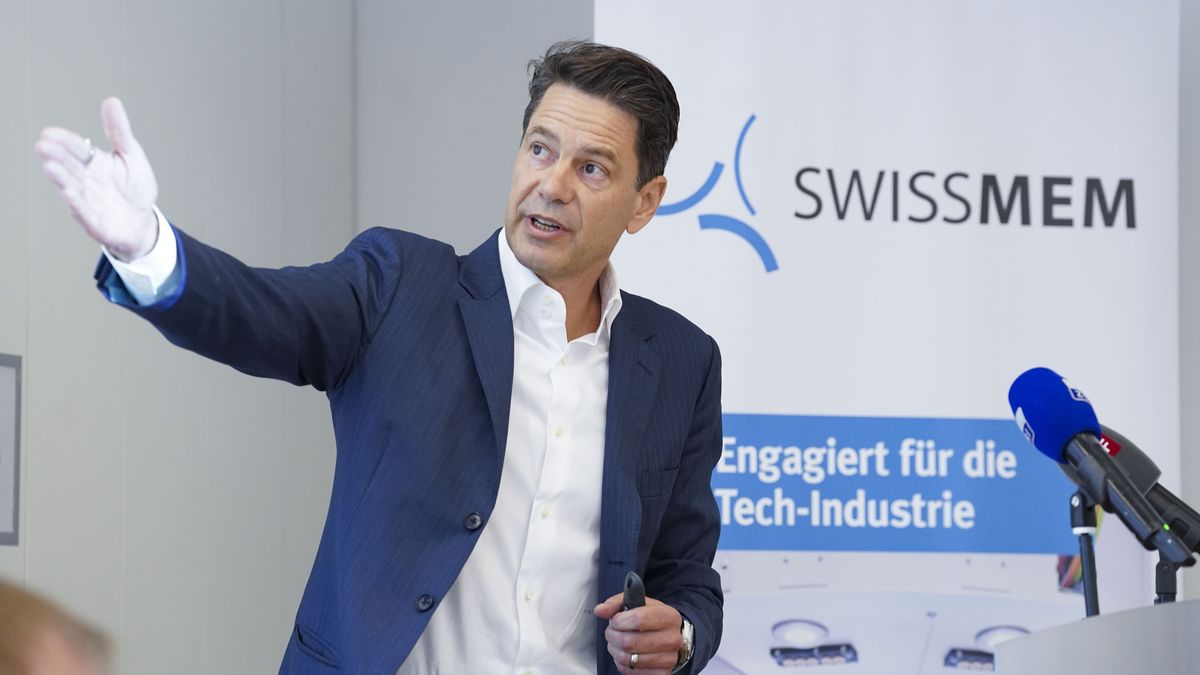
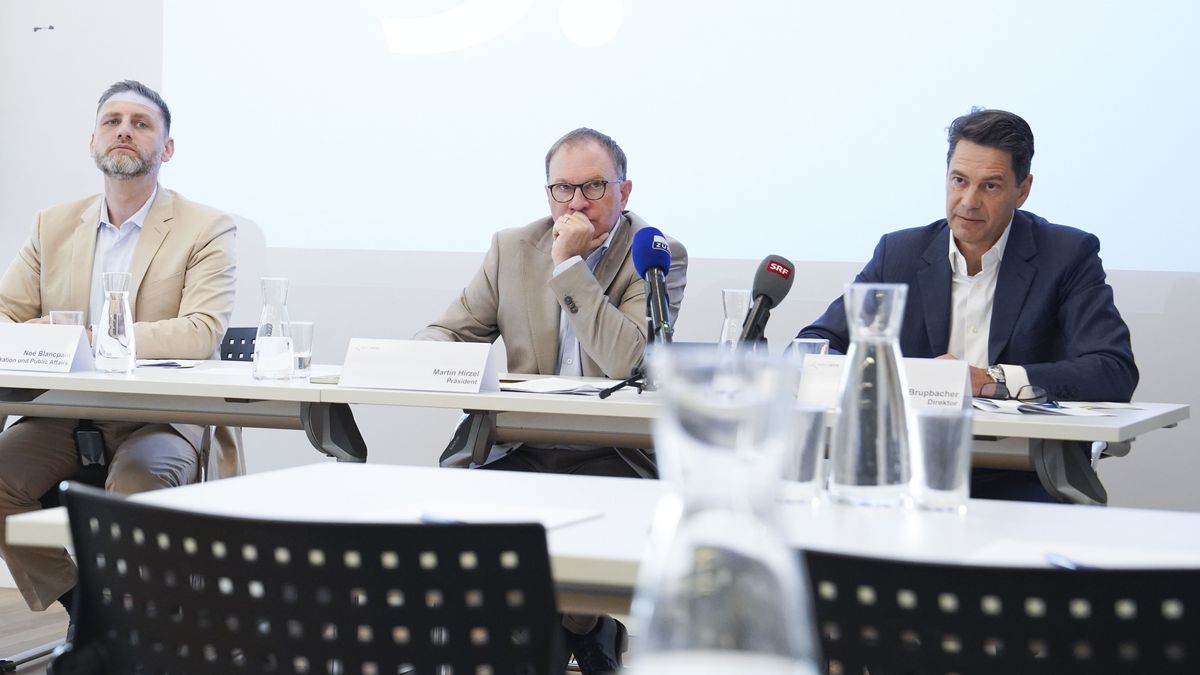
“The recovery in the Swiss tech industry has continued. However, it remains fragile, unevenly distributed and has recently lost some momentum,” comments Swissmem Director Stefan Brupbacher. “We are concerned that EBIT margins have deteriorated across almost the entire sector over the past year: a quarter of companies are reporting negative EBIT margins, while a further 29% are barely able to generate enough earnings to cover their cost of capital and R&D expenditure. This is dangerous, as it drains the resources needed for investment in the future. Against this backdrop, it is both necessary and urgent to relieve companies of bureaucratic costs and regulatory burdens.”
Positive signals can also be derived from the Purchasing Managers’ Index (PMI), which points to growth in almost all key markets. Companies within the tech industry are also cautiously optimistic: over the next 12 months, 35% expect orders from abroad to increase. A further 41% anticipate that order levels will remain unchanged.
The tariff gap to the EU is becoming a location disadvantage
The risks nevertheless remain considerable. A renewed outbreak of war in the Middle East, rising energy costs and supply chain bottlenecks could quickly stifle the recovery trend. In addition, since the end of July 2026, the US has imposed a new tariff rate of 12.5% on goods from the Swiss tech industry. This is 2.5 percentage points higher than the tariff applied to products from the EU. The US investigation into industrial overcapacity could result in an even higher tariff rate, thereby further widening the tariff differential with the EU.
According to a survey of Swissmem member companies, 42% of firms can just about absorb the current tariff disadvantage of 2.5 percentage points. However, well over a third of companies have been left with no choice but to make price concessions to their US customers in order to keep them. Some 17% of companies must bear the tariff disadvantage themselves in order to remain active in the US market.
Should the tariff differential with the EU increase, the consequences would be severe. At a gap of 5 percentage points, business in the US would be seriously jeopardised for almost half of all companies. At a differential of 7.5 percentage points, this share rises to 58%. After the tech industry lost CHF 1 billion in export volume to the US in 2025 compared with the previous year, exports to the US would come under additional pressure if tariffs were to be increased further.
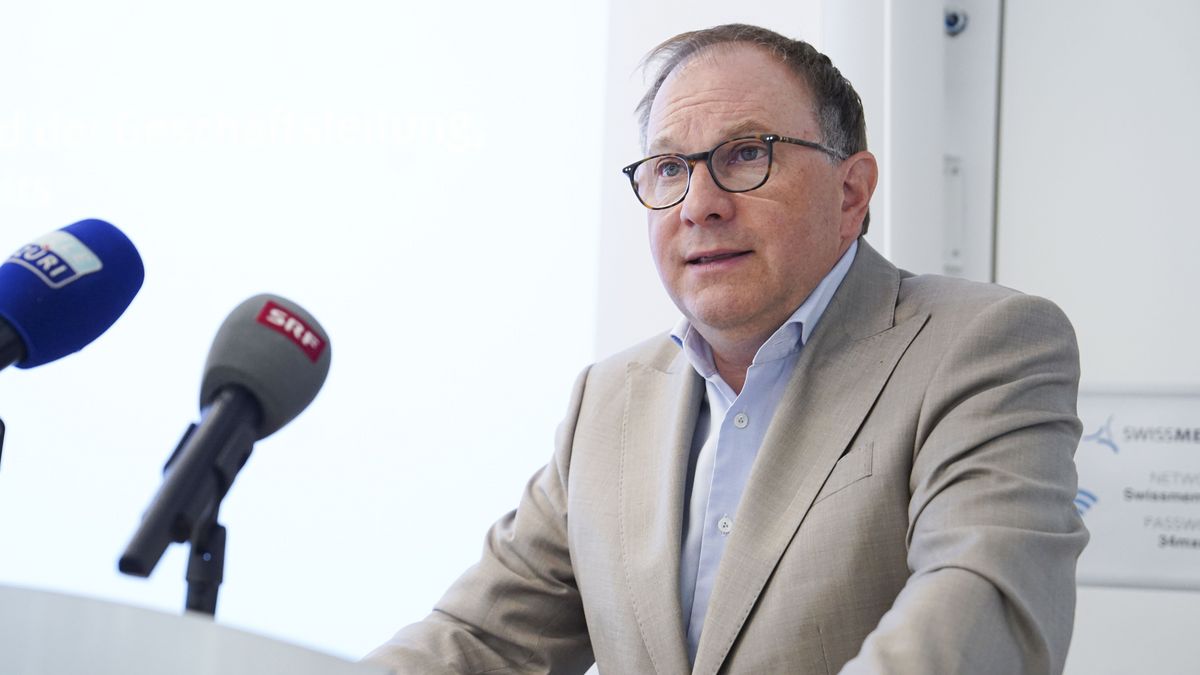
For Martin Hirzel, Chairman of Swissmem, one thing is clear: “An agreement that does not put us at a disadvantage relative to our most important competitors remains essential.” Furthermore, as an export-oriented country, Switzerland must secure free access to as many markets as possible. This makes the National Council’s rejection of the free trade agreement with the Mercosur states all the more difficult to understand. “The decision is not only disappointing. It is absurd,” says Martin Hirzel. “We are negotiating with the US to ensure that Swiss products are not subject to higher tariffs than those from the EU. At the same time, the National Council is ensuring that precisely this situation continues to apply in Mercosur, one of the markets of the future.”
Free trade with China and Mercosur: two key agreements for the tech industry
The call for a free trade agreement with Mercosur is also supported by Swissmem members. According to a survey of member companies, it ranks second on their wish list for new agreements. China ranks first. It is therefore all the more welcome that President of the Swiss Confederation Guy Parmelin and his team have succeeded in achieving a substantial enhancement of the free trade agreement with China. The expanded agreement will provide firms in the Swiss tech industry with significantly improved access to the Chinese market.
Swissmem calls on Parliament to approve the agreement with the Mercosur states in the autumn session and thus to correct the National Council’s mistake. Swissmem also expects the enhanced free trade agreement with China to be ratified and implemented as quickly as possible. Both are of very great strategic importance to the Swiss technology industry.
1) The Swissmem Index for sales and order intake in the Swiss tech industry is based on data drawn from around 250 reporting companies that is collected on a quarterly basis. These companies constitute a representative sample of the Swissmem membership base.
For further information please contact:
Noé Blancpain, Member of Management and Head of Communications & Public Affairs
Tel. +41 44 384 48 65 / mobile +41 78 748 61 63
E-mail n.blancpainnoSpam@swissmem.ch
Philippe Cordonier, Member of Management and Head of Swissmem Romandie
Tel. +41 44 384 42 30 / mobile +41 79 644 46 77
E-mail p.cordoniernoSpam@swissmem.ch